The modern professional landscape is changing faster than ever before. New technologies, evolving industries, and shifting workplace expectations mean that learning can no longer end with a qualification. In today’s economy, professional success increasingly depends upon an individual’s ability to continuously assess, develop, and refine their skills.
Historically, organisations have always valued competence over credentials alone. During the Industrial Revolution, businesses sought individuals capable of solving practical problems and adapting to new methods of production. The same principle remains relevant today. While qualifications may open doors, demonstrated capability often determines long-term success.
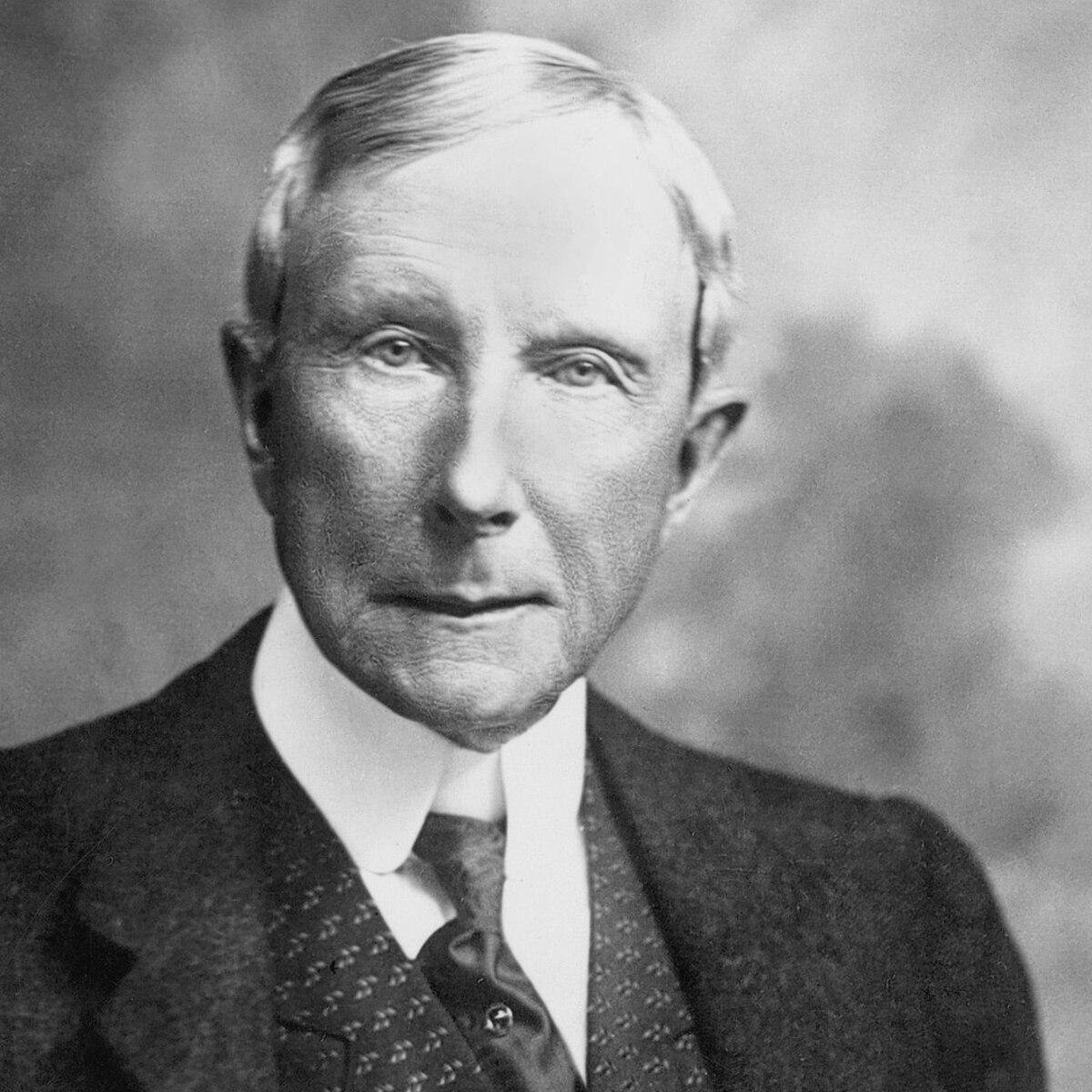
One of the most notable examples is John D. Rockefeller, founder of Standard Oil. Rockefeller was not known for accumulating qualifications; he was known for his relentless focus on learning, self-improvement, and mastering the skills required to build and manage a complex enterprise. His success stemmed not only from knowledge, but from his ability to continually develop new competencies as his business expanded.
Similarly, the Rothschild banking family maintained their influence across Europe for generations by continuously adapting to changing economic conditions, financial systems, and international markets. Their success was built upon the ongoing development of expertise, strategic thinking, and commercial intelligence rather than relying solely on past achievements.
In today’s workplace, skills assessments play an increasingly important role in professional development. They provide individuals with an objective understanding of their strengths, identify areas for improvement, and help guide future learning priorities. For employers, they offer valuable insights into capability, readiness, and potential.
As industries continue to evolve, professionals who regularly evaluate and develop their skills are often better positioned to adapt to change, seize new opportunities, and remain competitive. Continuous learning is no longer simply an advantage—it has become a professional necessity.
In an age where knowledge rapidly evolves, the most successful individuals are not those who know everything, but those who never stop learning.
Tags:
You May Also Like

-
Sep 20, 2025
Behind every successful business decision lies a clear understanding of financial impact. This is where financial modelling becomes invaluable. Far...

-
Aug 20, 2025
Lorem ipsum dolor sit amet, consectetur adipiscing elit, sed do eiusmod tempor incididunt ut labore et dolore magna aliqua

-
Jul 20, 2025
Technical expertise is often the foundation of a successful career. Whether in finance, engineering, technology, healthcare, or management, specialised knowledge...

-
Jun 18, 2025
Entrepreneurship is often associated with innovative ideas, ambitious startups, and disruptive technologies. However, history demonstrates that successful entrepreneurship is not...
Get in touch
+447826326101
27, Old Gloucester Street
London WC1N3AX
United Kingdom
London WC1N3AX
United Kingdom
contact@esbl.uk


