Throughout history, organisations that have survived and prospered have shared three common characteristics: innovation, adaptability, and leadership. While technologies, industries, and economies continue to evolve, these qualities remain essential for long-term success.
Innovation enables individuals and organisations to identify new opportunities and solve problems in better ways. Adaptability allows them to respond effectively to changing circumstances. Leadership provides the vision and direction necessary to transform ideas into meaningful outcomes.
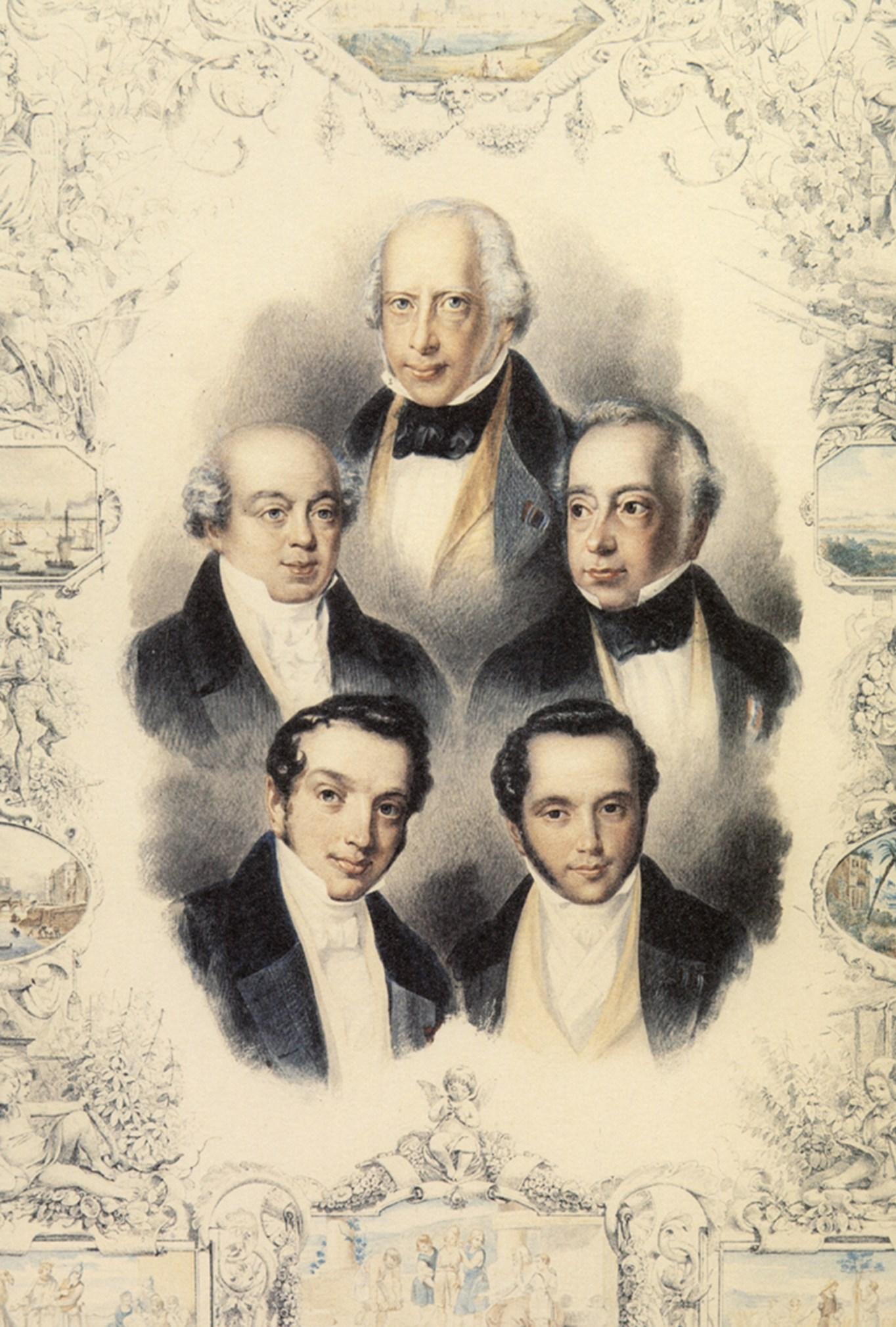
A powerful historical example can be found in the Rothschild family during the nineteenth century. Operating across multiple European countries, the family adapted to changing political, economic, and financial conditions while continuously innovating their methods of communication and international banking. Their ability to evolve enabled them to remain influential during periods of significant change.
Similarly, during and after the Second World War, many nations were forced to rebuild industries, infrastructure, and economies from the ground up. Countries that embraced innovation, encouraged entrepreneurship, and demonstrated strong leadership recovered more rapidly and established foundations for future prosperity.
In the modern era, companies such as Netflix provide a compelling example of adaptability. Originally a DVD rental business, Netflix recognised changing consumer behaviour and transformed itself into a global streaming platform. This willingness to adapt allowed the company to remain relevant while many competitors disappeared.
For professionals, the lesson is equally important. Technical knowledge may become outdated, industries may transform, and economic conditions may change. However, individuals who embrace innovation, remain adaptable, and demonstrate leadership are often best positioned to succeed regardless of circumstance.
As the future of work continues to evolve, organisations will increasingly value individuals capable of learning new skills, responding to change, and leading others through uncertainty. These qualities are no longer reserved for senior executives; they have become essential competencies for professionals at every stage of their careers.
The future belongs not necessarily to the strongest or the most knowledgeable, but to those who are most willing and able to adapt, innovate, and lead.
Tags:
You May Also Like

-
Sep 20, 2025
Behind every successful business decision lies a clear understanding of financial impact. This is where financial modelling becomes invaluable. Far...

-
Aug 20, 2025
Lorem ipsum dolor sit amet, consectetur adipiscing elit, sed do eiusmod tempor incididunt ut labore et dolore magna aliqua
-
Aug 20, 2025
The modern professional landscape is changing faster than ever before. New technologies, evolving industries, and shifting workplace expectations mean that...
-
Jul 20, 2025
Technical expertise is often the foundation of a successful career. Whether in finance, engineering, technology, healthcare, or management, specialised knowledge...
Get in touch
+447826326101
27, Old Gloucester Street
London WC1N3AX
United Kingdom
London WC1N3AX
United Kingdom
contact@esbl.uk


