
Technical expertise is often the foundation of a successful career. Whether in finance, engineering, technology, healthcare, or management, specialised knowledge enables individuals to perform their roles effectively. However, history consistently demonstrates that technical competence alone is rarely sufficient for successful leadership.
Many highly skilled professionals excel in their fields but struggle when placed in leadership positions. The reason is simple: leadership requires the ability to guide people, communicate a vision, make difficult decisions, and navigate uncertainty. These are qualities that extend far beyond technical knowledge.
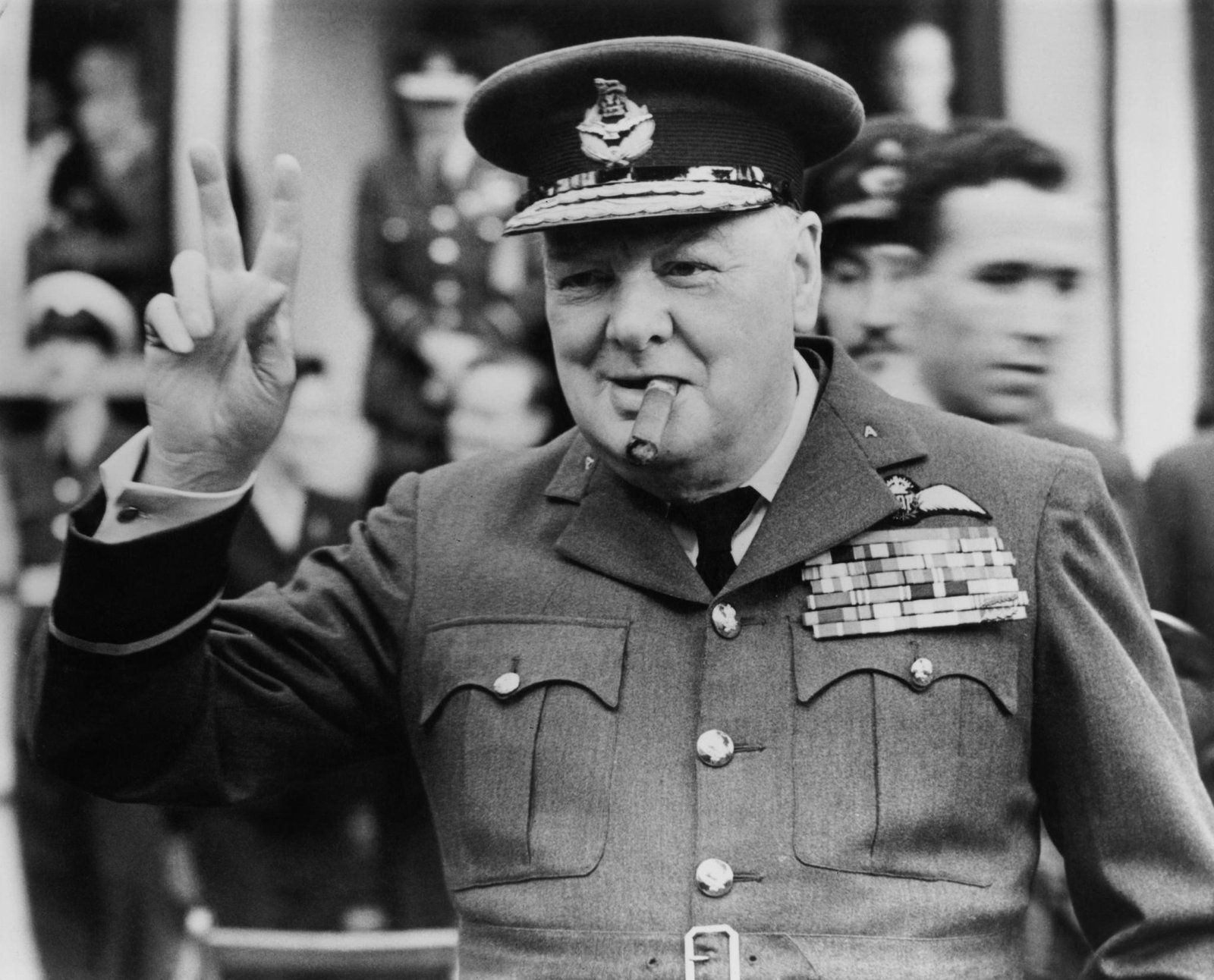
A notable example can be found in the career of Sir Winston Churchill during the Second World War. Churchill was not a military commander, engineer, or scientist. His greatest contribution was leadership itself. Through communication, resilience, and strategic thinking, he inspired a nation during one of the most challenging periods in modern history. His influence stemmed not from technical expertise, but from his ability to unite people behind a common purpose.
Similarly, Henry Ford revolutionised manufacturing through innovation and operational efficiency. Yet the long-term success of Ford Motor Company depended not only on technical advancements but also on leadership, workforce management, and the ability to scale an organisation beyond a single individual.
In modern organisations, technical skills remain essential. However, professionals who aspire to leadership positions must also develop emotional intelligence, communication skills, strategic thinking, adaptability, and the ability to influence others. The most effective leaders understand both the technical and human dimensions of business.
This is particularly important in today’s increasingly complex business environment. Organisations face rapid technological change, global competition, and evolving workforce expectations. Leaders must often make decisions without complete information while maintaining confidence and direction across their teams.
Technical expertise may earn respect, but leadership earns trust. While knowledge can solve problems, leadership inspires people to solve problems together.
The most successful leaders are therefore not those who know the most, but those who are able to bring out the best in others.
Tags:
You May Also Like

-
Sep 20, 2025
Behind every successful business decision lies a clear understanding of financial impact. This is where financial modelling becomes invaluable. Far...

-
Aug 20, 2025
Lorem ipsum dolor sit amet, consectetur adipiscing elit, sed do eiusmod tempor incididunt ut labore et dolore magna aliqua
-
Aug 20, 2025
The modern professional landscape is changing faster than ever before. New technologies, evolving industries, and shifting workplace expectations mean that...

-
Jun 18, 2025
Entrepreneurship is often associated with innovative ideas, ambitious startups, and disruptive technologies. However, history demonstrates that successful entrepreneurship is not...
Get in touch
+447826326101
27, Old Gloucester Street
London WC1N3AX
United Kingdom
London WC1N3AX
United Kingdom
contact@esbl.uk


